





 The Asian Transport Outlook (ATO) project – supported by the Asian Development Bank and the Asian Infrastructure Investment Bank - together with the Urban Electric Mobility Initiative (UEMI) and the EU-supported SOLUTIONSplus project, are producing e-mobility profiles that focus on taking stock of the main developments relating to e-mobility transition in Asian economies. This edition of the newsletter presents the profiles for Bangladesh.
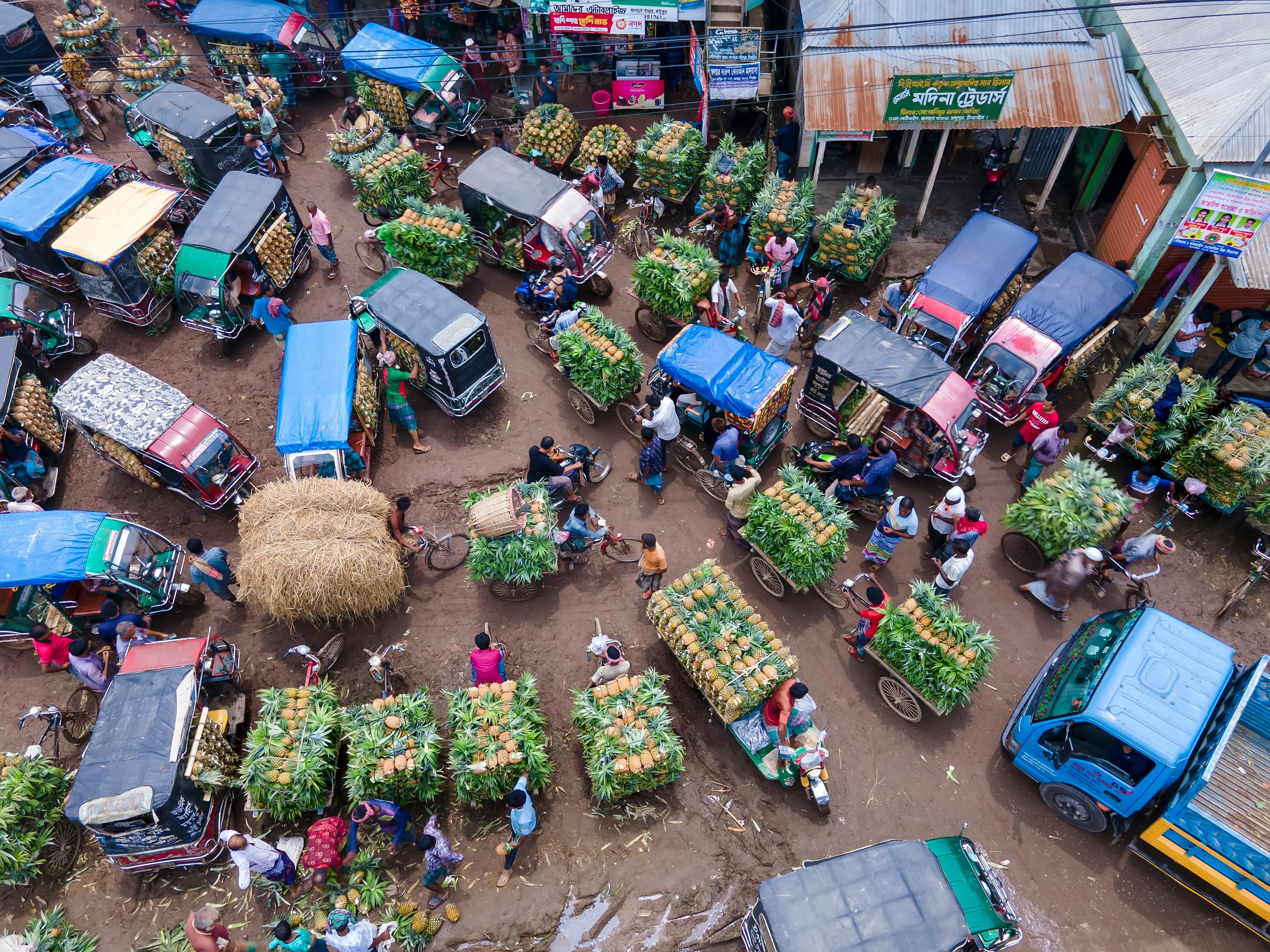
Currently, there are no official statistics on how many electric vehicles are running on the ground in Bangladesh. However, the Government deems that the electric fleet is dominated by electric bikes, electric rickshaws, and hybrid vehicles. E-rickshaws have become a staple on the road. In 2010, a local company started retrofitting rickshaws with imported kits from People’s Republic of China. Later, larger electric 3-wheelers, locally dubbed “easy bikes”, gained popularity. Open data sources suggest that there are only a handful of charging stations available in the country, primarily found in the capital, Dhaka.
The rising costs of road fuels, the country’s high dependency on imported energy, and the Government’s thrust to reduce the externalities from transportation have been propelling the interest towards electric mobility. Several policy changes have taken place to accelerate EV adoption in Bangladesh. It includes lower taxation for electric vehicles compared to conventional and hybrid vehicles. The Automobile Industry Development Policy 2021 sets a target for a major transition towards electric vehicles by 2030. Subsequently, the Government approved an Electric Vehicle registration and operation policy in April 2023, targeting to convert at least 30% of vehicles to electric by 2030. An EV charging guideline has also been issued in July 2022.
Further details of the report can be found here.